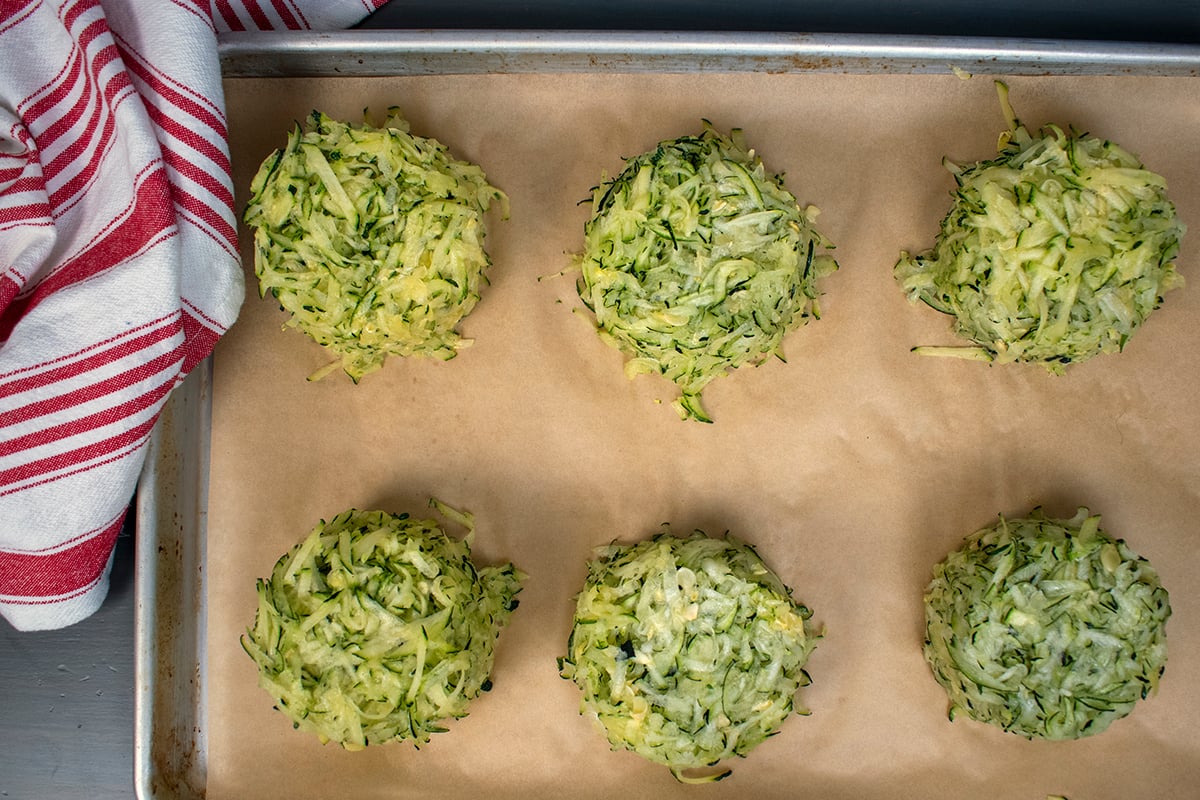
The Genius of Shredded Zucchini: Why No Blanching Works So Well
Traditionally, most vegetables require blanching before freezing. Blanching involves briefly boiling vegetables and then rapidly cooling them in ice water. The primary purpose of this process is to halt enzyme activity that can otherwise lead to changes in color, flavor, and texture during freezer storage. Without blanching, many frozen vegetables can become mushy, discolored, or develop off-flavors. So, why does shredded zucchini get a pass? The secret lies in its intended use and its physical form. When zucchini is shredded, its cellular structure is already broken down significantly. For recipes where a firm, crisp texture isn't the primary goal – such as baked goods (breads, muffins, cakes), soups, stews, or casseroles – the slight change in texture that occurs without blanching is negligible. In fact, for many baking applications, the softer texture of thawed, unblanched shredded zucchini is actually an advantage, as it blends seamlessly into batters and doughs. The moisture content of zucchini is also a key factor. When shredded, much of the excess water can be easily pressed out after thawing, preventing soggy results in your recipes. This makes it an ideal candidate for a no-blanch freezing approach, saving you considerable time and effort without compromising the quality of your finished dishes. For those looking to preserve zucchini without the dreaded mush, embracing the shredded form is truly the way to go. You can learn more about avoiding common freezing pitfalls by checking out our article: Avoid Mushy Zucchini: The No-Blanch Freezing Method.Your Step-by-Step Guide: How to Freeze Zucchini Without Blanching
Freezing shredded zucchini is incredibly straightforward, requiring just a few basic tools and a little bit of time. Here’s how to do it:1. Select and Prepare Your Zucchini
- Choose Wisely: Opt for firm, fresh zucchini. Smaller to medium-sized zucchini (6-8 inches) are often more tender and have fewer seeds than very large ones, though even your prize-winning giant zukes can be used!
- Wash and Trim: Thoroughly wash the zucchini under cool running water. Trim off both ends. Peeling is optional; many prefer to leave the skin on for added nutrients and color, especially if using organic zucchini.
2. Shred the Zucchini
This is where the magic happens! You have a couple of excellent options for shredding:
- Box Grater: A standard box grater works perfectly. Use the large-hole side for a coarser shred, which is great for most recipes.
- Food Processor: For large quantities, a food processor with a shredding attachment is a true time-saver. It makes quick work of even massive zucchini, producing a consistent shred in minutes.
You'll quickly accumulate a generous pile of fluffy, shredded zucchini, ready for the next step.
3. Portion and Bag It Up
Think about how you typically use zucchini in your recipes. Most zucchini bread or muffin recipes call for 1 to 2 cups of shredded zucchini. Portioning it now will save you a lot of hassle later:
- Measure: Using a measuring cup, divide the shredded zucchini into 1-cup or 2-cup portions.
- Choose Your Bags: Place each portion into high-quality freezer-safe bags. Quart-sized bags are usually ideal for 1-2 cup portions.
4. Remove Excess Air (The Straw Trick!)
Removing as much air as possible from the freezer bags is crucial for preventing freezer burn and maintaining quality. While some vacuum sealers work well, there's a simple, low-tech method that's incredibly effective:
- The Straw Trick: Seal the bag almost completely, leaving a small gap about an inch wide. Insert a drinking straw into the gap and suck out the air from the bag. As you suck, you'll see the bag compress around the zucchini. Quickly pull out the straw and seal the bag completely before air rushes back in. This creates a surprisingly tight vacuum seal.
5. Label and Freeze
Don't skip this critical step! It’s easy to forget what’s in your freezer:
- Label Clearly: Use a permanent marker to write "Shredded Zucchini," the quantity (e.g., "1 cup" or "2 cups"), and the date frozen on each bag.
- Flatten and Stack: Flatten the bags so the zucchini is in an even layer. This not only helps them freeze faster but also allows for efficient stacking in your freezer, saving valuable space.
- Freeze Solid: Place the bags in your freezer. Once frozen solid, they'll hold their shape, making them easy to stack or store vertically.
And just like that, you've successfully frozen your zucchini without blanching, ready for year-round culinary adventures! For more detailed guidance, take a look at our comprehensive guide: How to Freeze Zucchini Without Blanching: The Easy Way.
Thawing and Transforming Your Frozen Zucchini
Once your zucchini is securely stashed in the freezer, the next step is knowing how to properly thaw and use it in your recipes.1. Defrosting Methods
You have a couple of convenient options for defrosting:
- Refrigerator: The best method for minimal fuss is to transfer the bag of frozen shredded zucchini to your refrigerator overnight. It will slowly thaw, ready for use the next day.
- Microwave: If you're short on time, you can defrost the zucchini in the microwave. Place the frozen zucchini in a microwave-safe bowl and use the defrost setting in short intervals, stirring occasionally, until thawed. Be careful not to cook it.
- Room Temperature: For quick thawing, you can also leave the bag on the countertop for an hour or two, or submerge the sealed bag in a bowl of cold water.
2. The Crucial Step: Draining Excess Water
This is arguably the most important step when using frozen shredded zucchini, especially for baking. Zucchini has a high water content, and freezing can cause some cell walls to rupture, releasing even more liquid upon thawing.
- Strain and Press: Once thawed, empty the shredded zucchini into a fine-mesh strainer or colander. Gently press down on the zucchini with the back of a spoon or your clean hands to squeeze out as much excess liquid as possible. You'll be surprised how much water comes out!
- Why It Matters: Removing this extra moisture prevents your baked goods from becoming soggy or your soups/sauces from becoming too watery.
3. Using Your Freshly Thawed Zucchini
Now, your zucchini is ready to be incorporated into a wide array of delicious dishes:
- Baking: Perfect for zucchini bread, muffins, cakes, brownies, or even savory quick breads. Just remember to drain it well!
- Soups and Stews: Stir into minestrone, vegetable soup, chili, or beef stew for added nutrition and bulk. It will cook down beautifully.
- Casseroles: Layer into lasagna, gratins, or other baked dishes.
- Sauces: Puree into tomato sauce for a boost of hidden vegetables, or add to stir-fries and pasta dishes.
- Fritters & Pancakes: Combine with flour, egg, and seasonings for savory fritters, or add to sweet pancake batter.
