Avoid Mushy Zucchini: The No-Blanch Freezing Method
The end of summer often brings a generous bounty for gardeners, and perhaps no vegetable is more famous for its prolific nature than zucchini. If you've ever found yourself with an overflowing counter of gorgeous green gourds, you know the dilemma: how to preserve this seasonal goodness before it goes to waste? Freezing is an excellent solution, but for many, the thought conjures images of watery, flavorless "zucchini mush." The good news? You absolutely can freeze zucchini without blanching, and in a way that preserves its texture beautifully for your favorite recipes all year long. This time-saving, fuss-free method is a game-changer for anyone looking to extend the life of their summer squash.
Why the No-Blanch Method is a Game-Changer for Zucchini
Traditional advice for freezing most vegetables often includes a blanching step – a quick dip in boiling water followed by an ice bath. This process is designed to halt enzyme activity that can lead to color, flavor, and texture degradation over time. While effective for many vegetables, zucchini is a bit of an anomaly. Its high water content and delicate cellular structure make it particularly susceptible to becoming mushy after blanching and freezing. The boiling water can break down its cell walls too aggressively, turning a firm slice into a soggy mess upon thawing.
This is where the "no-blanch, shredded" method shines. By opting to shred your zucchini before freezing, you're not just saving time and effort by skipping the blanching step; you're actually preparing it in a way that minimizes the dreaded mush factor. Shredding breaks down some of the cell walls already, making it easier to press out excess moisture after thawing. This is crucial, especially for baked goods like zucchini bread, muffins, and cakes, where extra water can lead to a dense, gummy texture instead of a light, airy crumb. Furthermore, shredded zucchini integrates seamlessly into a variety of dishes, blending in perfectly without needing to hold its individual shape, which is often the goal with frozen and thawed produce. This method has become a go-to for countless home cooks and gardeners, ensuring that the flavor of summer can be enjoyed any month of the year.
Your Step-by-Step Guide: Freezing Zucchini Without Blanching
Freezing zucchini without blanching is incredibly simple, requiring minimal equipment and effort. Follow these steps to stock your freezer with perfectly preserved shredded zucchini.
1. Select and Prepare Your Zucchini
Start with fresh, firm zucchini. Whether they're straight from your garden or picked up from the market, quality matters. Wash them thoroughly under cold water to remove any dirt. There's no need to peel your zucchini, as the skin adds nutrients and color, but you will want to trim off both ends.
2. Shred Your Zucchini
This is the most crucial step for success with the no-blanch method. You have a couple of options here:
- Box Grater: Use the large holes of a standard box grater. This method is great for smaller batches and gives you control over the shred size.
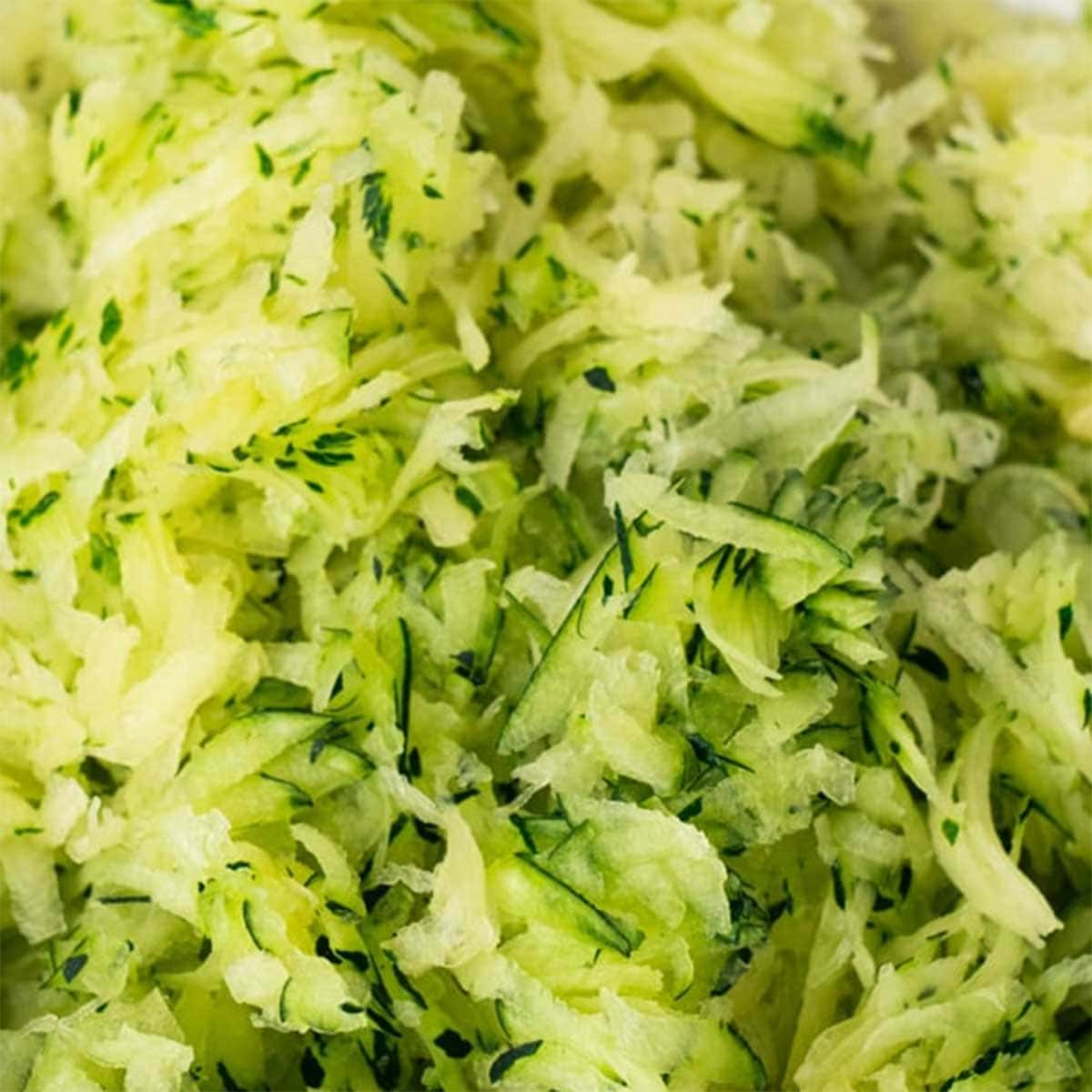
- Food Processor: For larger quantities, a food processor with a shredding disc is a lifesaver. It makes quick work of even massive zucchinis, turning a mountain of squash into a bowl of shredded goodness in minutes.
Aim for a consistent shred. The shredded form allows the zucchini to freeze and thaw uniformly, preparing it perfectly for later use.
3. Portion for Convenience
Once shredded, you'll likely have a large bowl of zucchini. It’s highly recommended to portion it out into smaller, recipe-ready amounts before freezing. Most recipes, like
Shredded Zucchini: Freeze Easily for Year-Round Recipes, call for 1 or 2 cups of shredded zucchini. This strategy makes it incredibly easy to grab exactly what you need without having to thaw an entire large bag.
- Use good quality freezer bags (quart or gallon size, depending on your portion needs).
- Measure out your desired amounts (e.g., 1 cup, 2 cups) and place them into individual bags.
4. Remove Excess Air
Removing as much air as possible from your freezer bags is vital to prevent freezer burn, which can compromise the zucchini's texture and flavor.
- The Straw Trick: Seal the bag almost entirely, leaving a small gap. Insert a straw into the gap and suck out the air. Quickly pull out the straw and seal the bag completely. This creates a near-vacuum seal.
- Press Flat: Alternatively, press the bag flat, working from the bottom up to force air out through the small opening before sealing. Flattening the bags also helps them stack neatly in the freezer, maximizing space.
5. Label Clearly
Always label your bags! This may seem obvious, but a freezer full of unlabeled bags can lead to forgotten ingredients. Write down:
- Contents: "Shredded Zucchini"
- Quantity: "2 cups"
- Date: The date you froze it.
This ensures you use your oldest zucchini first and know exactly what you're reaching for.
6. Freeze It!
Lay the labeled, flattened bags of shredded zucchini in a single layer in your freezer. Once frozen solid, you can stack them to save space. That's it! You've successfully frozen zucchini without blanching, ready for months of delicious meals. For more detailed insights on the process, check out
How to Freeze Zucchini Without Blanching: The Easy Way.
Defrosting and Using Your Perfectly Frozen Zucchini
Once you're ready to use your frozen zucchini, the process of defrosting and preparing it is just as straightforward.
1. Defrosting Methods
You have a couple of convenient options for thawing your frozen shredded zucchini:
- Refrigerator Overnight: This is the gentlest method. Simply transfer the bag from the freezer to the refrigerator the night before you plan to use it.
- Microwave: For quicker thawing, empty the frozen zucchini into a microwave-safe bowl and defrost on a low setting, stirring occasionally, until thawed. Be careful not to cook it.
- Directly in Cooking: For certain dishes like soups, stews, or sauces, you can sometimes add the frozen shredded zucchini directly to the pot. It will thaw and release its moisture as it cooks.
2. The Crucial Step: Draining Excess Water
After thawing, your shredded zucchini will have released a significant amount of water. This is entirely normal and expected, and it's also the key to avoiding a mushy end product, especially when baking. Do NOT skip this step!
- Strainer Method: Place the thawed zucchini in a fine-mesh strainer set over a bowl. Gently press down on the zucchini with the back of a spoon or your hands to squeeze out the liquid. You'll be surprised how much water comes out!
- Paper Towels/Cheesecloth: For an even drier result (ideal for delicate baked goods), place the thawed zucchini on several layers of paper towels or a clean kitchen towel/cheesecloth. Gather the edges and squeeze firmly to extract as much moisture as possible.
This step is paramount in ensuring your zucchini bread isn't soggy and your muffins retain their proper texture.
3. Incorporate into Recipes
Once defrosted and drained, your shredded zucchini is ready to be used just as you would fresh zucchini! It's perfect for:
- Baked Goods: Zucchini bread, muffins, cakes, brownies, fritters.
- Savory Dishes: Soups, stews, casseroles, sauces, frittatas, stir-fries (though for stir-fries, ensure it's very well-drained).
The beauty of this method is that the frozen and thawed zucchini integrates seamlessly, adding moisture and nutrients without altering the intended texture of your dish, thanks to proper shredding and draining.
Longevity and Best Practices for Frozen Zucchini
When done correctly, your frozen shredded zucchini can last an impressively long time, ensuring you have a steady supply of this versatile vegetable.
How Long Does Frozen Zucchini Last?
Properly stored, shredded frozen zucchini can last for up to
a year in the freezer. Beyond that, it might still be safe to eat, but its quality (texture, flavor, and color) may start to decline. Always refer to your labels to ensure you're using older batches first.
Preventing Freezer Burn and Maximizing Freshness:
- Eliminate Air: Reiterate the importance of removing air from bags. Air is the enemy of frozen food, causing dehydration and leading to those icy patches of freezer burn.
- Use Quality Packaging: Invest in freezer-specific bags or airtight containers. They are thicker and designed to withstand freezing temperatures better than standard storage bags.
- Maintain Consistent Temperature: A freezer that's frequently opened or has fluctuating temperatures can speed up quality degradation. Keep your freezer consistently at 0°F (-18°C) or lower.
- Avoid Refreezing: Once thawed, do not refreeze zucchini. The quality will significantly suffer, leading to an extremely mushy texture.
- Rotate Stock: Practice "first in, first out" (FIFO). Use the oldest bags of zucchini first to ensure you're always consuming it at its best quality.
If you notice signs of freezer burn – extensive ice crystals, dry or discolored patches on the zucchini itself – it's still safe to eat, but the texture and flavor might be compromised. You can often trim away freezer-burned parts if only a small area is affected.
In conclusion, saying goodbye to the endless zucchini glut doesn't mean saying hello to mushy, unappetizing results. By embracing the no-blanch, shredded freezing method, you're unlocking a simple, effective way to preserve your summer harvest. This technique not only saves you precious time in the kitchen but also ensures that your zucchini maintains a desirable texture, perfect for baking, cooking, and enjoying year-round. So go ahead, shred that garden beauty, bag it up, and savor the taste of summer whenever the craving strikes.